Key-Hole Method Of Closing Hole In The Heart
Keyhole Method of Closing Hole in the Heart – ASD/VSD/PDA Device Closure
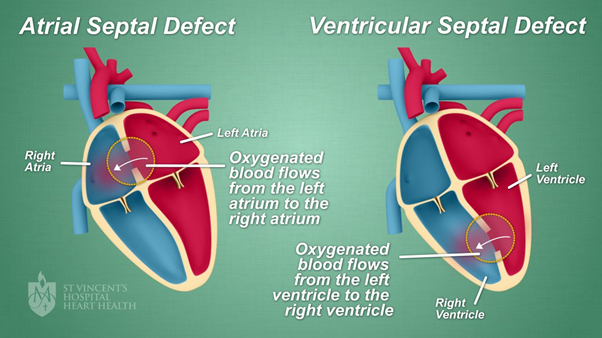
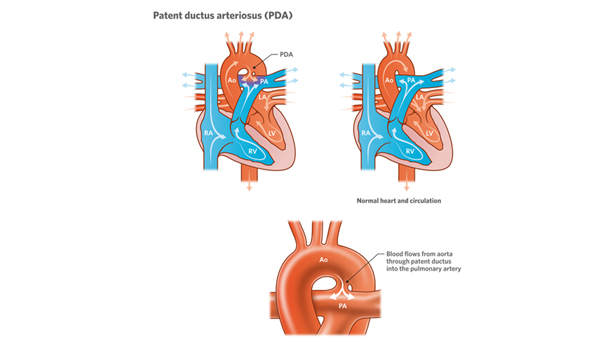
A hole in the heart is often a congenital defect, meaning it is present from birth, but it may not be diagnosed until adulthood. These defects may involve communication between heart chambers or major arteries, and their names depend on the location of the hole:
- Atrial Septal Defect (ASD): A hole between the two upper chambers (atria).
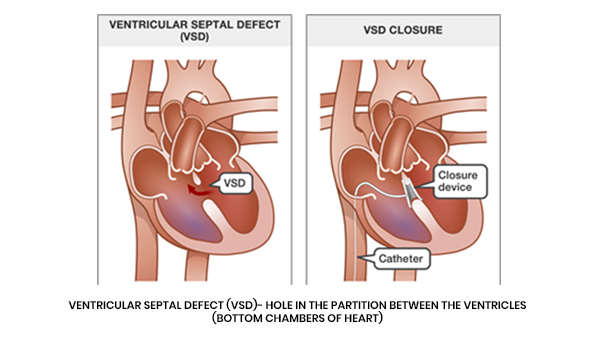
- Ventricular Septal Defect (VSD): A hole between the two lower chambers (ventricles).
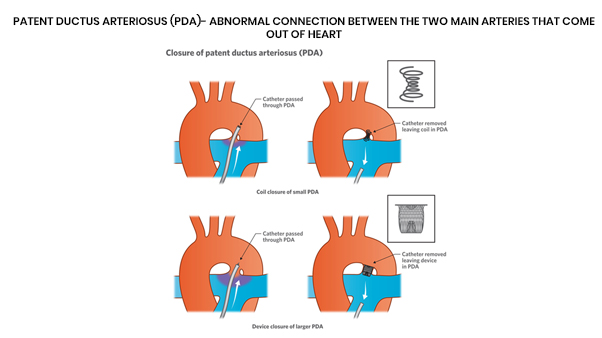
- Patent Ductus Arteriosus (PDA): A persistent connection between the aorta and pulmonary artery.
These defects create an abnormal flow of blood (shunting) due to pressure differences between the chambers or vessels. While the body may tolerate this shunting for years, over time it can lead to:
- Pulmonary hypertension (high blood pressure in the lungs)
- Heart muscle weakness or failure
- Atrial arrhythmias
- Exercise intolerance, fatigue, and breathlessness
- Paradoxical embolism, potentially leading to stroke
Significant defects with a pulmonary-to-systemic flow ratio over 2:1 typically require closure before the age of 40, although some individuals may only show symptoms later in life.
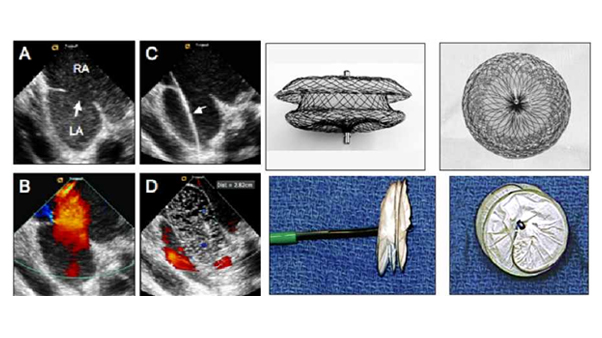
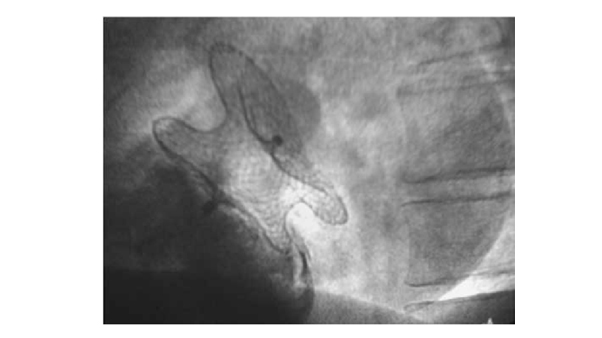
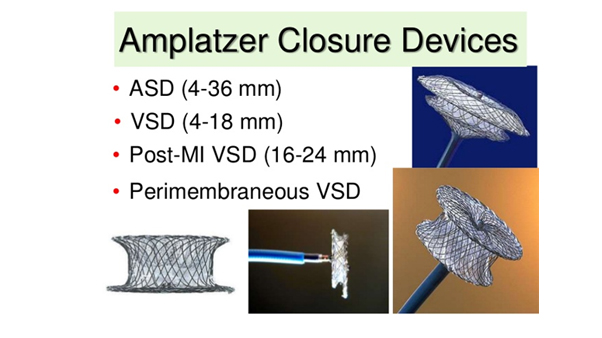
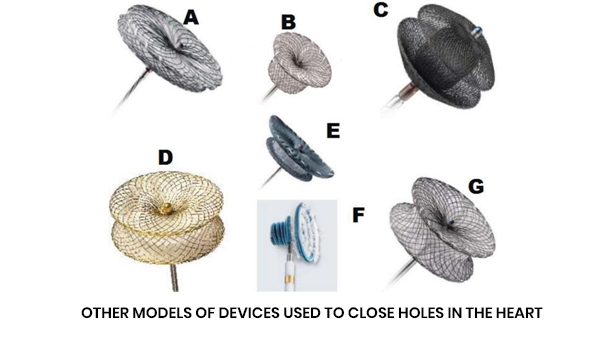
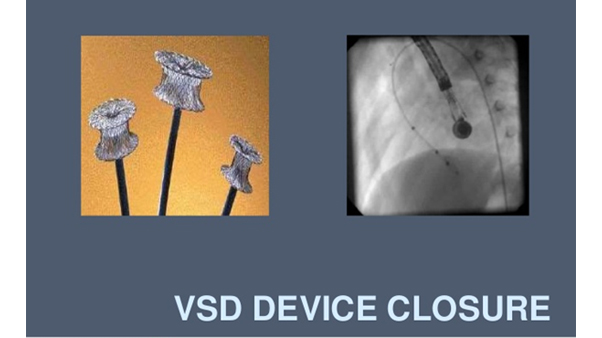
Traditionally, closure required open-heart surgery. However, advances in interventional cardiology now allow for minimally invasive "keyhole" procedures. These involve threading a catheter through a leg vein to place a closure device directly into the defect.
Early closure of these defects is crucial to avoid complications and preserve long-term heart health. If you suspect or have been diagnosed with a septal defect, I encourage you to consult for a detailed evaluation and personalized treatment plan.
Please feel free to reach out if you would like more information or wish to discuss whether you may benefit from this advanced treatment.