
Cardiac Electrophysiology
Electrophysiology Studies (EPS)
Electrophysiology studies (EPS) are specialized tests performed to evaluate the electrical activity of the heart and pinpoint the origin of abnormal heart rhythms (arrhythmias). These insights help guide the most appropriate treatment—whether it be medications, ablation, or implantable rhythm devices like pacemakers and defibrillators.
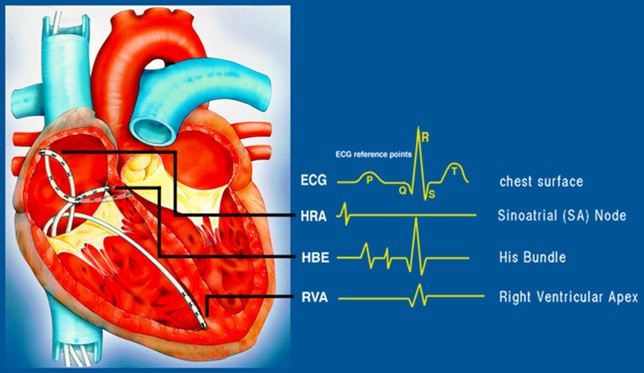
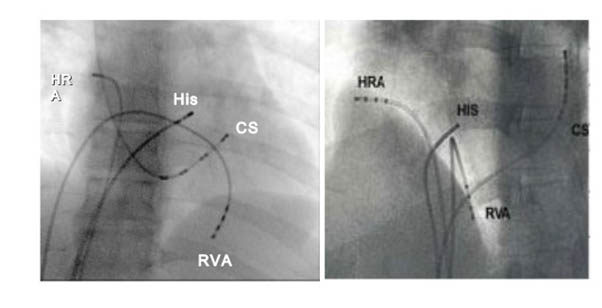
EPS is performed in an EP (electrophysiology) lab or cath lab. Under local anesthesia (usually via a vein in your groin), fine catheters are introduced into your heart to monitor its electrical signals. I may intentionally stimulate the heart to reproduce the arrhythmia for precise diagnosis and treatment planning.
Typically, 3 to 5 electrically sensitive catheters are positioned inside the heart during the study.
Types of EPS
- Standard Diagnostic EPS: Uses conventional catheters to study the heart’s electrical system.
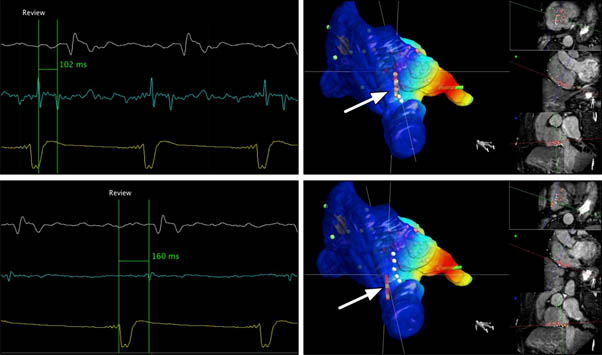
- Advanced EP Studies: Includes 3D mapping to visualize abnormal electrical pathways more precisely.
Risks of EPS
- Arrhythmias: Serious rhythm disturbances such as VT or VF may be triggered but are immediately managed with pacing or shocks.
- Blood Clots: These can form at the catheter tips, so a blood thinner (Heparin) is routinely administered.
- Bleeding or Bruising: Can occur at the puncture site (groin, arm, or neck), but precautions are taken to minimize this.
Preparation for EPS
- Do not eat or drink for 6 to 8 hours before the test.
- Inform the medical team of all medications, herbs, and vitamins you're taking.
- You may need to stop medications used to control palpitations prior to the test.
- Arrange someone to accompany you to and from the hospital.
Duration of EPS
A simple diagnostic EPS usually lasts under an hour. If radio-frequency ablation is performed during the same session, it can take up to 4 hours.
After EPS
If only diagnostic studies were performed, I will discuss the results and recommended treatment with you immediately. Many patients can return home the same day, especially if no ablation was performed.
What to Expect After EPS
- You may feel tired or drowsy from the sedatives used.
- The puncture site may be sore or bruised for a few days.
- If the site bleeds, lie flat and contact my team immediately.
Contact Me Immediately If You Notice:
- Sudden swelling at the puncture site.
- Persistent bleeding despite pressure.
- Numbness or tingling in the limb used for access.
- Coldness or discoloration in the hand or foot.
- Increased bruising or fluid leakage from the puncture site.