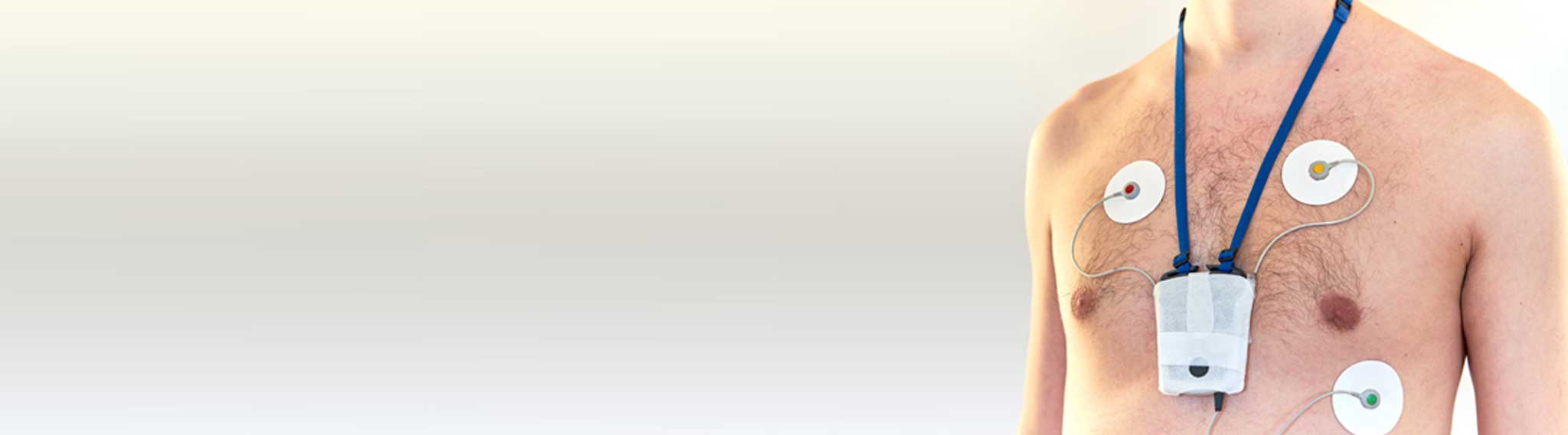
Holter Monitoring
What Is A Holter Monitor?
A Holter monitor is a portable electrocardiogram (ECG) device that records the heart's electrical activity over 24 hours or longer. Unlike a one-time ECG, it captures data continuously while you go about your daily activities, offering valuable insights into irregular rhythms and heart function.
We typically recommend a Holter monitor if you experience symptoms like dizziness, fainting, fatigue, palpitations, or if your resting ECG is inconclusive. It helps detect intermittent arrhythmias, assess pacemaker function, and monitor treatment effectiveness.
Conventional vs Patch Electrodes
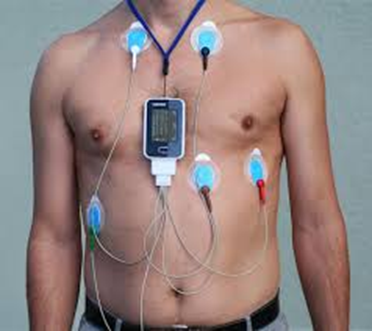
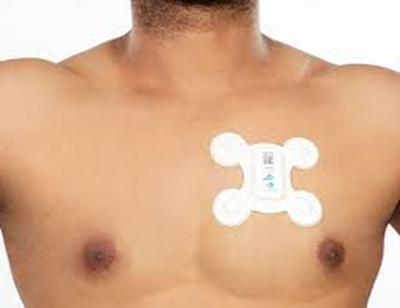
Traditional Holter monitors use wired electrodes attached to the chest. In contrast, the latest patch-based devices like the WEBCARDIO patch offer superior comfort and accuracy without wires.
- Never miss abnormal heartbeats
- Eliminates COVID-19 risk with reduced physical interaction
- Improved comfort and compliance
- India’s No.1 ambulatory cardiac monitoring solution with high accuracy
Why Might I Need a Holter Monitor?
- To assess symptoms like dizziness, tiredness, or fainting that may be linked to arrhythmias
- To identify irregular heart rhythms or palpitations
- To monitor heart rate changes during daily activity, sleep, or exercise
- To evaluate conditions like hypertrophic cardiomyopathy
- To check for abnormal electrical pathways (e.g. Wolff-Parkinson-White syndrome)
- To evaluate pacemaker function and treatment effectiveness
Are There Any Risks?
Holter monitors are generally safe. Potential issues are rare and include:
- Minor skin irritation or discomfort from the adhesive
- Difficulty keeping the patch secured
- Temporary discomfort when removing the patch
The WEBCARDIO patch is waterproof and designed for maximum comfort. You can shower or swim while wearing it—just avoid rubbing directly over the patch.
What Happens During a Holter Monitor Test?
Holter monitoring is performed as an outpatient procedure. The chest is cleaned and prepped before placing the patch. Once the monitor is attached:
- You can resume daily activities, including work and exercise
- Maintain a symptom diary to correlate with data from the device
What Happens After the Test?
After 3 to 7 days of recording, the WEBCARDIO patch is removed and discarded. Data is automatically transmitted to our central system for analysis.
Based on the findings, we’ll provide a detailed report and treatment plan. This could include medications (e.g., beta blockers), or in some cases, pacemaker or defibrillator implantation.