Advanced Heart Failure Management
Heart Transplant and VAD Therapy
During my training at Wythenshawe Hospital in Manchester, UK—a high-volume heart transplant centre—I was extensively involved in evaluating patients with end-stage heart failure for advanced treatment options.
Management of such patients typically follows two distinct pathways:
- Heart Transplantation: A select group of patients are deemed suitable for heart transplant surgery following a comprehensive series of assessments. These tests determine both the necessity and the suitability for transplantation.
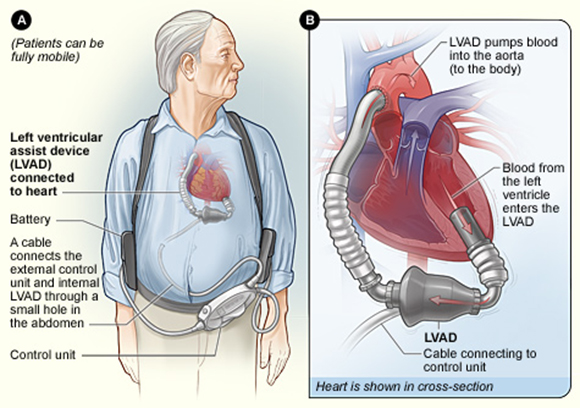
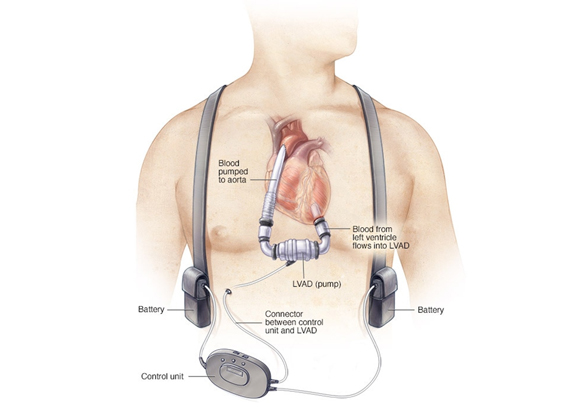
- Ventricular Assist Device (VAD) Therapy: For others, mechanical circulatory support through a VAD is recommended. These devices support or completely take over the function of the failing heart.
A VAD is essentially a mechanical pump that helps circulate blood throughout the body when the heart’s own ventricles are too weak to do so. Depending on the severity and location of heart failure, a patient may require:
- LVAD – Left Ventricular Assist Device
- RVAD – Right Ventricular Assist Device
- BIVAD – Bi-Ventricular Assist Device (both ventricles)
VADs may be used in different clinical contexts:
- Bridge to Recovery: Temporary support while the heart recovers.
- Bridge to Transplant: Support while waiting for a donor heart.
- Destination Therapy: Long-term support for patients who are not transplant candidates.
With appropriate selection and care, VADs can significantly improve quality of life and survival in patients with severe heart failure. If you or a loved one is dealing with end-stage heart failure, I’m here to guide you through the best available options tailored to your clinical condition.